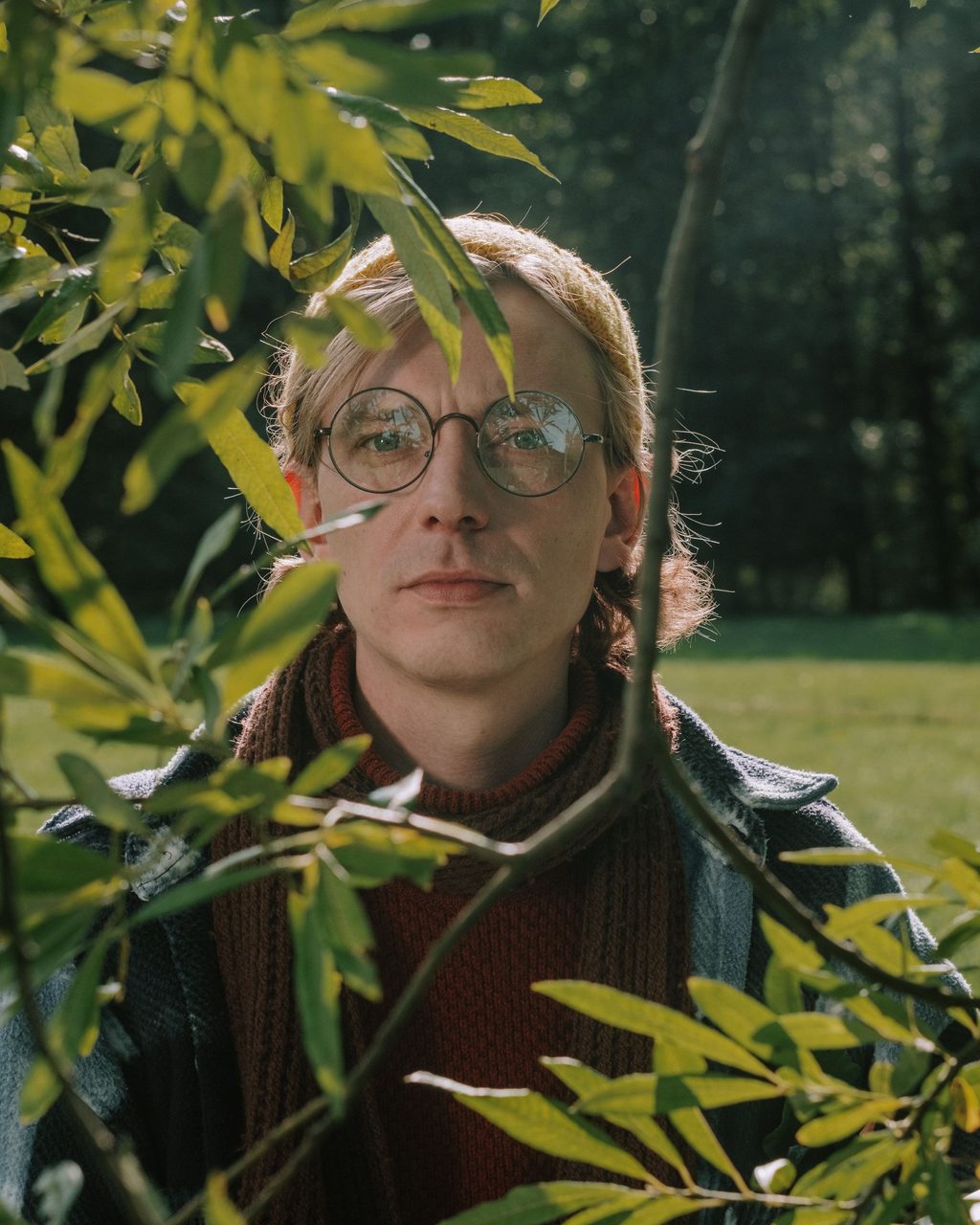
Postdoc
Dr. Elena Marwick
Studies cooperative foraging in mixed-species flocks; brings a quantitative behavioral-ecology background from her doctoral work in the upper Midwest.
We study social decision-making in passerines and corvids across a long-term field site and our on-campus aviary — combining behavioral experiments, acoustic monitoring, and movement ecology.

Julia studies how animals use social information to make decisions in noisy, shifting environments. Her work bridges classical behavioral ecology with modern computational tools — acoustic monitoring at scale, hidden-Markov movement models, and field experiments designed to test specific mechanisms rather than describe patterns. She has led the lab's long-term study system at the campus reserve since 2017 and co-directs the department's Animal Behavior concentration.
Studies cooperative foraging in mixed-species flocks; brings a quantitative behavioral-ecology background from her doctoral work in the upper Midwest.
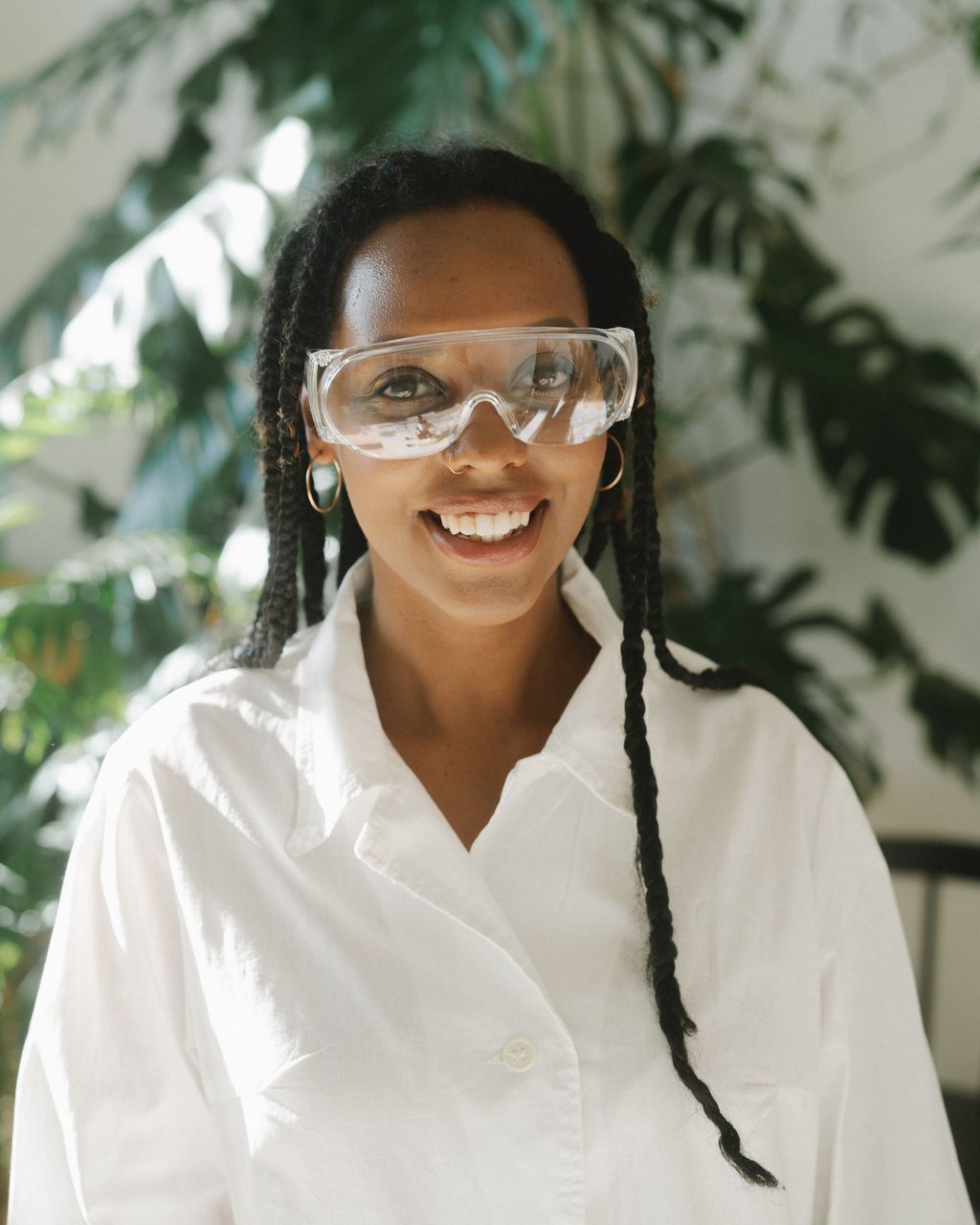
Dissertation focuses on signal evolution in territorial calls under anthropogenic noise; lead on the lab's long-term field site.

Works at the intersection of social network analysis and group decision-making in corvids.
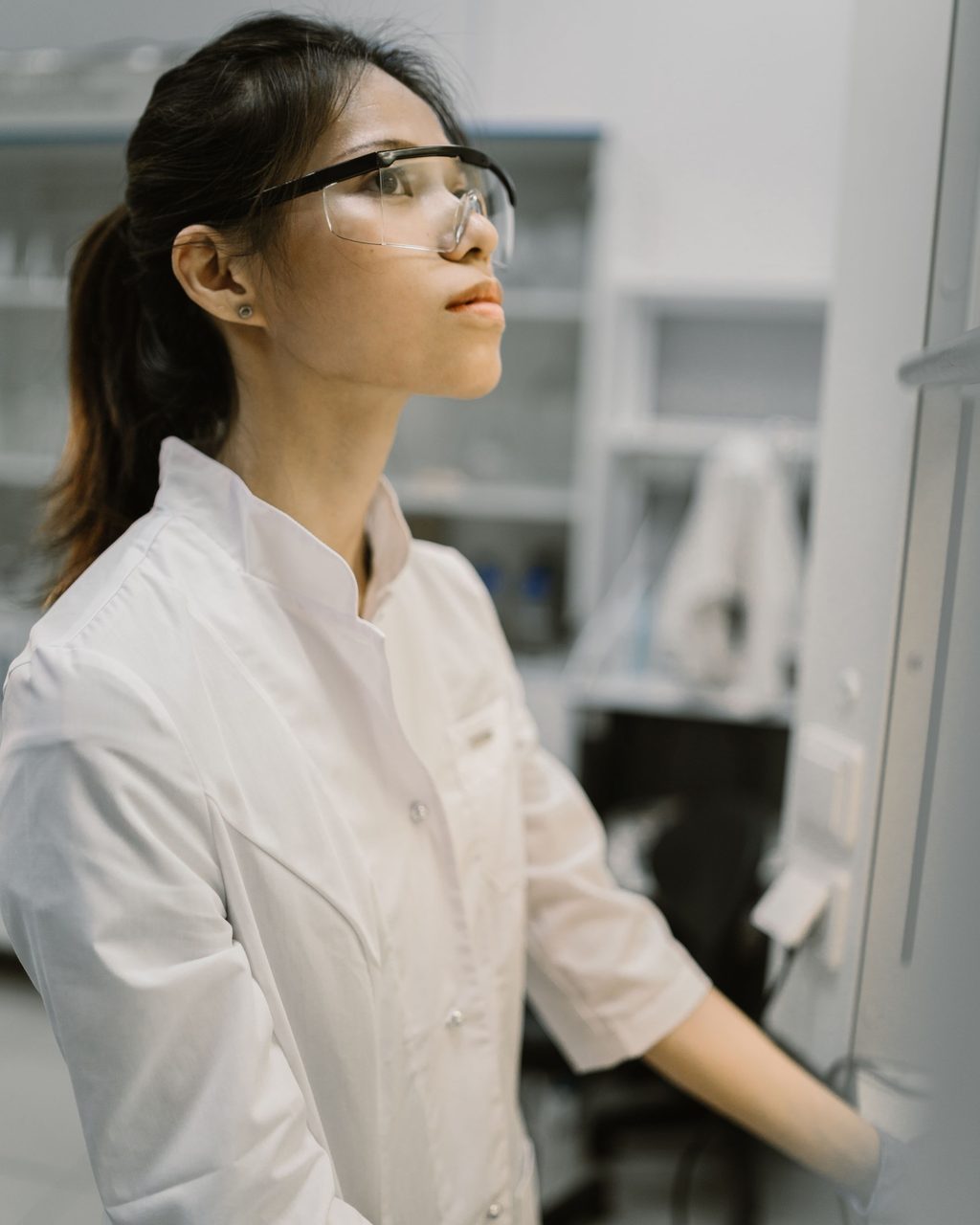
Combines GPS telemetry with hidden-Markov movement models to study route choice in migratory passerines.

Investigating how seasonal resource scarcity reshapes dominance hierarchies in a wintering flock.

Developing an automated acoustic monitoring pipeline to expand the lab's nocturnal sampling.

Field assistant on the territorial-call project; honors thesis on bystander effects in alarm calling.

Working on the lab's video annotation pipeline; interested in machine perception for animal behavior.

Statistics minor; assisting on a meta-analysis of social-information use across passerines.
Field experiments show bystander identity, not just presence, predicts vigilance latency.
Manuscript under review; first behavioral evidence of cross-species gaze following in this system.
Eight-minute segment featuring Dr. Marsh and Priya Raghavan at the field site.
Poster session highlighting transient hierarchy collapse and rapid reformation.
Simulation paired with field removal experiments in a corvid flock.
Feature on the Raghavan-Marsh noise-pollution paper, distributed to regional outlets.
Five years of soundscape data show shrinking acoustic space under chronic anthropogenic noise.
Short visit to the lab's observation room and call-playback rig.
Demonstration of an ARM-based field unit and accompanying classifier.
HMM-based analysis of three migration cohorts reveals declining route fidelity post-fledge.